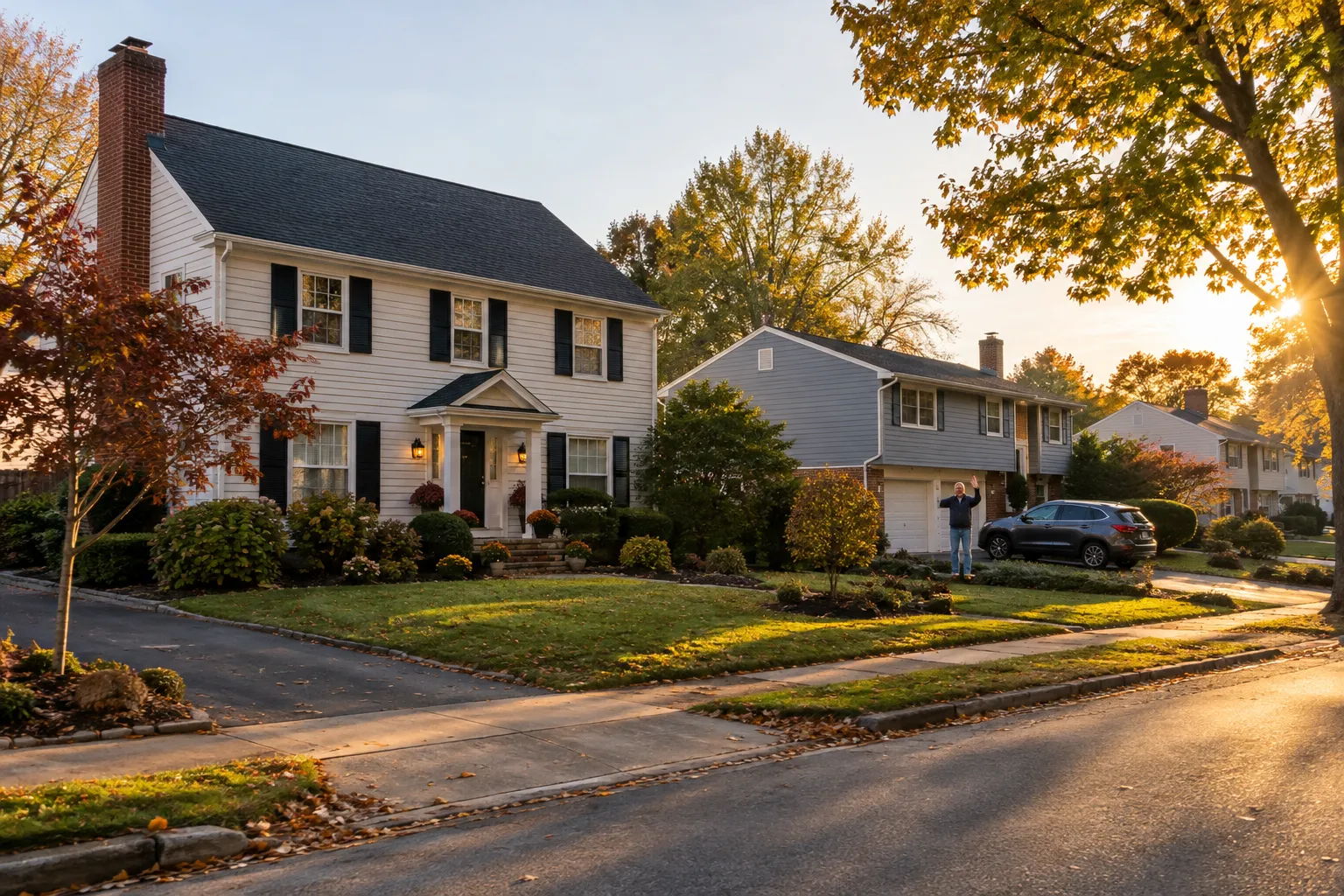
Need storm & hail damage roof repair services in Eagle Harbor?
Have a roof question or ready for an estimate? Send a request through the form or email contact@mixedharris.blog. A local provider can follow up, with no obligation.
No obligationRequest an estimate when you're ready
A hard storm can leave you unsure what to do first. Maybe you heard hail hit the windows. Maybe a branch came down in the night. Maybe you just have a feeling something is off up there. That feeling is worth listening to.
Mixedharris Roofing is a referral service. It does not do the roof work. It connects you with independent local roofing providers in the Eagle Harbor area who handle storm and hail damage. You can ask your questions, compare written quotes, and take the time you need. Nobody has to rush you. A clear look at the damage is the first step, and the rest can follow at a pace that feels right.
Take a slow breath first. The roof can wait until the weather settles, and you matter more than the shingles.
Stay off the roof and off the ladder. Wet, damaged surfaces are slippery, and loose pieces can shift. Stay clear of any downed wires or sagging ceilings. If you smell gas or see sparks, leave the house and get help right away.
Walk the yard instead. Look for shingle pieces, bent metal, and fresh dents in gutters or the grill cover. These clues tell you a lot.
If you need emergency roof repair, the goal is to slow the water, not to fix everything tonight. Move belongings away from drips. Set out a bucket. Take photos before you touch anything.
Many providers can place a temporary tarp or cover. Availability varies, especially after a big weather event. Request a callback to check provider availability in your area.
A small opening can turn into a bigger problem. Water follows nails, seams and rafters. It can soak insulation and stain ceilings long before you see a drip.
In our region, the seasons add pressure. Humid summers invite mold in damp attic spaces. Freeze-thaw winters push water into cracks and then widen them as it freezes. A nor'easter can drive rain sideways under lifted shingles.
None of this means panic. It just means a gentle push to get the roof looked at.
Storms leave different signs. Here are the ones providers see most often:
One sign alone may be minor. Several together deserve a closer look.
Hail does not always leave a hole. It can knock the protective granules off asphalt shingles and bruise the mat beneath. The roof may look fine from the ground and still wear out early.
That is why hail damage roof replacement is sometimes discussed even when nothing leaks yet. A bruised shingle sheds water for a while, then fails sooner than it should. A careful provider will show you the evidence, not just tell you about it.
A good inspection is thorough and unhurried. Expect the provider to check:
Ask for photos of each problem area. Photos help you decide, and they help if you file a claim.
This is the question most people carry around. The honest answer depends on how widespread the damage is and how old the roof is.
A few torn shingles on a fairly young roof often point toward a repair. Hail across several slopes, or damage on an older roof, may point toward replacement. A provider should explain the reasoning in plain words and put both options in writing if the answer is close.
Some policies may cover sudden storm damage. Others have separate rules for wind or hail, or a higher deductible. Read your policy, and ask your insurer what applies to you.
Providers can often help document the damage with photos and a written scope for a claim. They cannot decide what your insurer pays. Be wary of anyone who talks as if the outcome is already settled.
After a storm, strangers sometimes knock. Some are honest. Some are not. You are allowed to say, "Thank you, I'll think about it."
Watch for these red flags:
A steady provider will not mind if you check around first.
Questions come first. Here are a few worth keeping on your phone, and what a good answer sounds like.
A good answer includes photos and a calm walk-through. A red flag is a vague claim with nothing to see.
You want materials, labor, cleanup and timing spelled out. Verbal numbers can change.
Good providers share this without fuss. Ask, then decide.
A clear answer explains how extra costs are approved before anything is added.
Busy storm seasons can stretch schedules. Cold snaps can limit certain materials, and heat can make shingles harder to handle. A good provider will tell you what is realistic, and a temporary cover can bridge the gap safely.
If the schedule is the worry, ask about it early. It is a fair question.
A provider looks over shingles, flashing, gutters and the attic to find what the storm left behind.
Pictures of each problem area help you decide and support a claim.
Many providers can tarp or cover an opening to limit water until repairs happen.
You receive a quote that lays out repair or replacement, with materials and timing listed.
Storm work varies a lot with roof size, pitch, materials and how far the damage spreads. These are typical U.S. ranges only. Always get a written quote for your own home.
| Item | Typical range | Notes |
|---|---|---|
| Temporary tarp or cover | $300 – $1,000 | Depends on roof size and access |
| Minor shingle repair | $300 – $1,500 | A few torn or missing shingles |
| Flashing or vent repair | $200 – $900 | Common spot for leaks after wind |
| Decking repair | $500 – $2,500 | Needed when wood is soft or cracked |
| Partial section replacement | $1,500 – $6,000 | One slope or a damaged area |
| Full hail damage roof replacement | $8,000 – $25,000 | Larger or complex roofs cost more |
Wait for the weather to pass, keep off the roof, and take photos from the ground.
Tell us a little about the damage, and a local provider can reach out to you.
Look at scope, materials and timing, and ask about anything that seems unclear.
Pick the provider who answered your questions most clearly, confirm the plan in writing, and agree on a start window.
You get plain answers on what to do first, so the situation feels less heavy.
Independent roofing contractors near you know the weather, the housing styles and the local rules.
Comparing quotes side by side helps you spot odd numbers and vague scopes before you decide.
Asking questions is welcome here, and taking time to compare is perfectly fine.
Have a roof question or ready for an estimate? Send a request through the form or email contact@mixedharris.blog. A local provider can follow up, with no obligation.
No obligationHave a roof question or ready for an estimate? Send a request through the form or email contact@mixedharris.blog. A local provider can follow up, with no obligation.
No obligation